
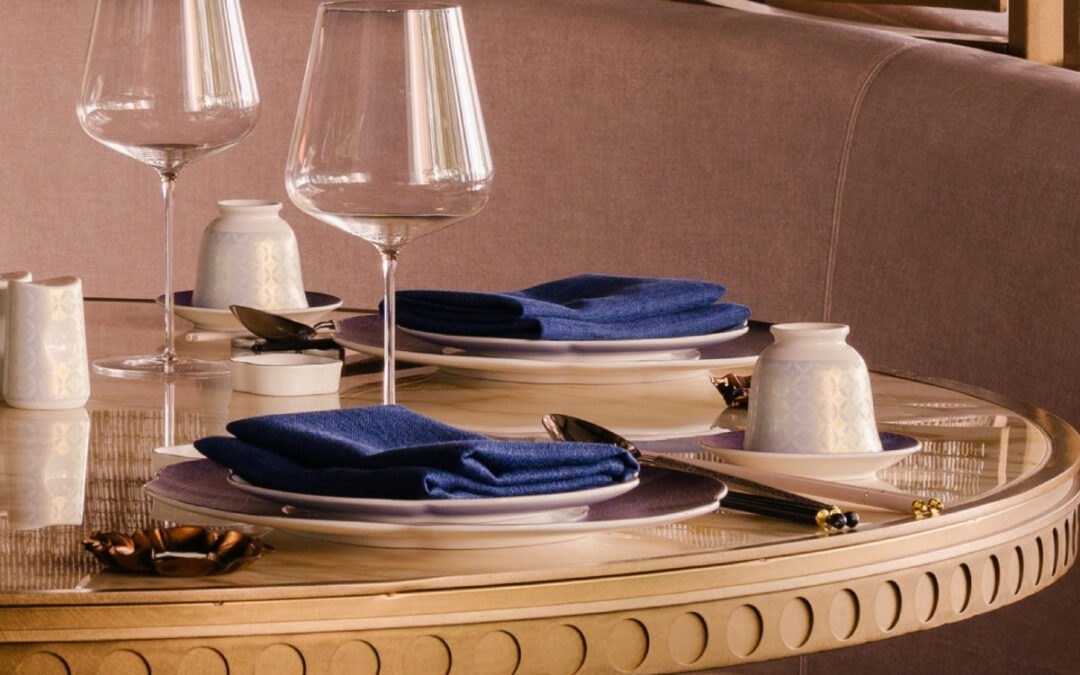
A round table can be quietly intimidating. Ten seats, a spinning centre, a host who seems to know exactly when to pour, and a guest who would rather not get any of it wrong.
None of the customs are difficult once someone explains them. Knowing a handful changes how a banquet feels from the first course onwards, and it makes hosting at a fine dining Chinese restaurant in Singapore far less daunting than it looks.
Before the First Course
The tone of a banquet is set before any food arrives. Arriving a few minutes early gives you room to greet people properly, and greeting the eldest guests first is the one courtesy worth remembering above all others. From there, the host leads: guests take their cue on when to settle, when to begin, and when the meal has properly started.
Tea is where the table’s habits first show. Pour for the people beside you before filling your own cup, keep an eye on whoever is running low, and if someone pours for you, two light taps of the index and middle finger beside your cup say thank you without interrupting anyone mid-sentence. Small gestures, but they establish the rhythm that carries through the rest of the meal.
Serving and the Lazy Susan
Serve others before yourself. Communal spoons and serving chopsticks are set down for that purpose, and reaching for them is simply how the table works. Turn the table slowly and clockwise, and never while someone is mid-reach. Offering the first portion of a new dish to the most senior guest is a courtesy that costs nothing and lands every time.
Toasting Without Overdoing It
Toasts move around the table across the course of a meal. The host opens, others follow, and holding your glass slightly lower than a senior guest’s is a small gesture of deference that people do notice.
Nobody is obliged to drink. Tea works perfectly well for a toast, and any decent host makes sure a non-drinking guest never feels conspicuous. This is where the team at 黑珍珠 The Black Pearl steps in quietly, part of why great service is at the heart of how we run a room.
Pacing plays a part too. A banquet that runs two hours needs a rhythm, and a kitchen that understands when to hold a course back keeps the conversation from stalling between plates.
Courses in Order
Sequence follows a logic of its own. Cold dishes and soup open proceedings, seafood and roasted meats follow, then rice or noodles arrive near the end as a sign the host has provided generously. A light dessert closes things off.
A modern banquet also allows for a little flexibility. Guests with dietary requirements can be looked after quietly, without the host having to renegotiate the whole menu at the table. Hosts wanting the same customs in a lighter setting often choose weekend dim sum instead, where the seating and serving conventions still apply but the sequence stays loose.
Hosting With Confidence
Etiquette exists to put guests at ease, not to catch them out. Learn a few of the customs, then relax into the evening and let the food carry the rest. Bring the people you want around your table, let our team look after the rhythm of the room, and reserve your table for a meal that runs the way a banquet should.