
Dim sum has always been about more than just food. At its heart, it is a ritual. Families gathering around a table, bamboo steamers stacked high, cups of hot tea being refilled between bites and laughter. That tradition, rooted in the teahouses of ancient China, has carried itself across centuries and continents. And today, it is quietly transforming into something new without losing what made it special in the first place.
The concept of yum cha, or drinking tea with small bites, originated in the teahouses of the Silk Road. Travellers would stop to rest, sip tea, and snack on light dishes. Over time, these small plates became an occasion in themselves. Cantonese culture embraced it wholeheartedly, and dim sum became a cornerstone of weekend family life across Hong Kong, Guangzhou, and eventually the wider Chinese diaspora. You could always tell the good places by the queue outside and the noise within.
The Classic Dining Hall Experience
For a long time, the format stayed largely the same. Trolleys rolled through crowded dining halls. Aunties with lively voices announced each dish. You pointed, they stamped, and the har gow arrived at your table still steaming. It was casual, communal, and deeply beloved.
But dining culture has shifted. People today bring different expectations to the table. They want quality ingredients, creative thinking, and an environment that feels thought out. Younger diners want the food to be beautiful before it even reaches the table. And yet the desire for that same communal warmth, for something to share over tea on a slow morning, has not gone anywhere.
Nostalgia Meets Innovation
This balance between nostalgia and innovation is precisely where modern dim sum finds its momentum. Across the world, chefs today are rethinking what dim sum can be. Classic recipes are being approached with fine dining sensibilities. Seasonal ingredients, luxury touches, and bold flavour combinations are slipping into baskets that might still look familiar from the outside.
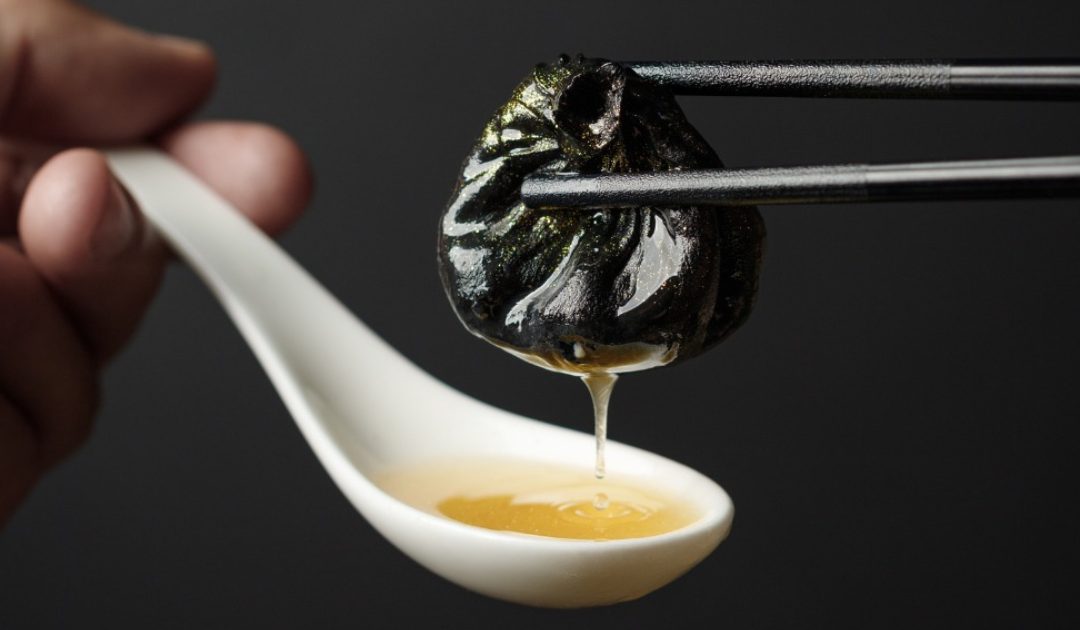
Rather than a rushed weekday lunch, weekend dim sum has taken on the pace and intention of a proper brunch. Guests book tables in advance, dress up a little, and linger. The food rises to meet the occasion, with must-try dim sum dishes on the menu that feel genuinely exciting rather than simply reliable. Think Honey BBQ Pork Buns that bridge the comforting and the playful, or Black Pearl Truffle Wild Mushroom Dumplings that bring earthy, luxurious depth to a humble steamed classic. Each dish is a small conversation between where dim sum has been and where it is heading.
A Lasting Tradition of Ritual
What has not changed is what matters most. Dim sum is still about gathering. It still works best when ordered in quantities that require more hands than you have. The tea is still essential. The conversation still flows naturally when your hands are busy reaching for the next bite. Modern dim sum has evolved in technique and presentation, but its purpose remains the same: to bring people together and give them a reason to stay a little longer.
A Cuisine Getting the Recognition It Deserves
At 黑珍珠 The Black Pearl, ingredients like truffle and abalone find their way into steamed dumplings not as gimmicks, but as genuine expressions of craft and care. The Sakura Crystal Prawn Dumplings are a perfect example, with translucent wrappers revealing a succulent prawn filling that is as pleasing to look at as it is to eat. It is no surprise that Instagrammable dim sum brunches have become a genuine phenomenon, with dishes like the Crispy Shrimp Rice Roll, crispy deep-fried rice skin wrapped in nutty red rice sheets, stopping guests mid-conversation just to reach for their phones.
Come Taste It for Yourself
If you are ready to experience dim sum as it was meant to be enjoyed, 黑珍珠 The Black Pearl at Odeon 333 in the City Hall district is where that journey begins. The weekend dim sum brunch is available every Saturday and Sunday from 11.00am to 3.00pm, with last orders at 2.30pm. Book your table today.